 |
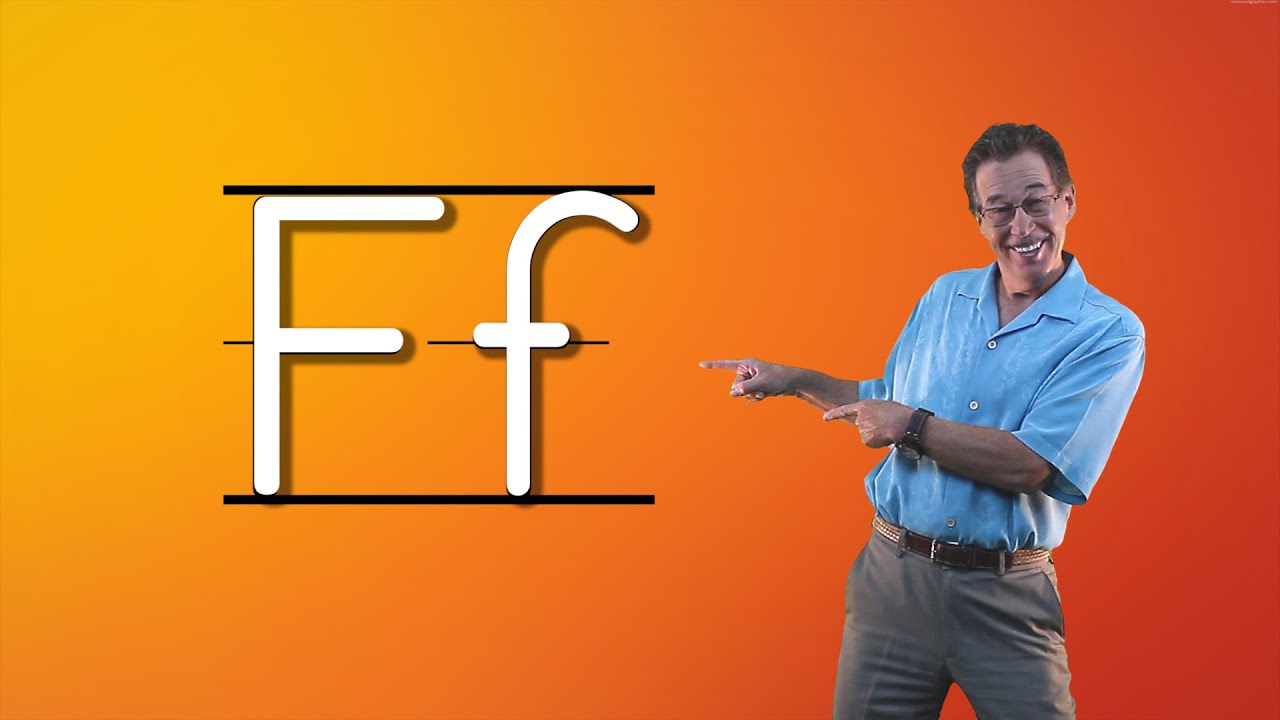
| "Fee starts with the letter "F". |
I shall assume someone finally figured out that the term "fee" starts with an "F" and "tax" starts with an "T", which are not the same thing.
Ergo, a fee can never be a tax.
As for the ACLU and UCHC, well, I am going to that tale later on down the road because they were the biggest cheerleaders for the Detroit Land Bank Authority since its inception, but hey, what do I know?
 |
| "Tax" starts with the letter "T" |
Smooches.
Foreclosures to be sold back to owners in ACLU, city settlement
The ACLU of Michigan has reached a settlement in its 2016 lawsuit against Detroit that includes a deal to save potentially thousands of foreclosed homes over the next three years by selling them back to low-income owners for $1,000.
Under the plan, a group of homes headed to this year's fall tax auction will instead be bought by the city and sold to owner-occupants who prove they qualified for the city's poverty tax exemption, which lowers or eliminates tax bills.
The Detroit City Council voted 7-0 Tuesday to approve the settlement. Council members James Tate and Janee Ayers were not present for the vote.
The ACLU sued the city in Wayne County Circuit Court two years ago over how it administered the state-mandated property tax break for the poor, arguing it was inaccessible to the vast majority of homeowners who were needlessly losing their homes to foreclosure.
It's not clear how many homes would be sold back to owners this fall but it could be in the hundreds, officials said.
“We’re thrilled that this settlement will help thousands of Detroiters who were going to lose their homes for inability to pay taxes they never should have had to pay," said Michael Steinberg, legal director of the ACLU of Michigan. "It's a start to putting the worst tax foreclosure crisis since the Great Depression behind us."
Steinberg said funding to buy the homes will come from charitable donations and $275,000 contributed by the city as part of the lawsuit settlement agreement. He said more funding from area foundations is expected for the program, which will be run by the United Community Housing Coalition, a city housing nonprofit.
Detroit city officials say this settlement supports their vision of maintaining home ownership and keeping residents in their homes.
"It's turning the page to the start of a great partnership and a continuation of the work we have been doing to prevent people from losing their homes," said Eli Savit, senior adviser and legal counsel to Mayor Mike Duggan. "It’s a win for all involved."
The foreclosure crisis has had a deep effect on Detroit, which remains the nation's poorest big city and recently flipped from majority homeowner to 54 percent renter. The county seized about 100,000 Detroit properties for unpaid property taxes from 2011 through 2015, about a quarter of all parcels, researchers have found.
About 4,800 Detroit properties are headed to foreclosure this year as of mid-June, according to data from the treasurer's office. Of those, about 2,000 are believed to be occupied by homeowners or renters.
“It can be devastating for residents that experience a financial setback, and it's time that the city look itself in the mirror and say how can we be better at assisting our most vulnerable residents,” said Councilman Gabe Leland.
The United Community Housing Coalition, which helps residents avoid foreclosure, said it so far has about 100 clients it believes will qualify. The nonprofit has been holding foreclosure workshops to qualify owners since April.
Residents have to be approved by July 13 and should call the group at (313) 963-3310, ext. 339, to start the process as soon as possible.
"It's a huge deal and it's extremely important to have the city's approval," said Michele Oberholtzer, director of the Tax Foreclosure Prevention Project for United Community Housing Coalition. "It's the city affirming it's support of home ownership and it's turning this negative thing of tax foreclosure into an opportunity for people to become stable."
There is a possibility the program could run out of money to purchase homes if many apply, according to Ted Phillips, executive director of the United Community Housing Coalition.
Homeowners who are in payment plans with the treasurer don't qualify, Steinberg said. The program is aimed at those facing the foreclosure auction.
"It's not a panacea," Steinberg said. "It doesn’t directly help people who are not currently in foreclosure or people who have already lost their houses. However, it’s a critical first step."
Steinberg said there are ongoing discussions with foundations on how to help people in payment plans who could be facing foreclosure in the future. And he said the city has agreed to purchase foreclosed homes in 2019 and 2020 for those who qualify.
Leland said work to ensure residents stay in their homes was "far from over."
"We must stay vigilant for the people that stayed here," he said. "The property tax exemption laws were enacted to help residents in need hold on to their piece of the pie.”
Erica Burrell, a 35-year-old mother of two, hopes this means she'll be able to keep her west-side home. It's headed to the auction over $10,500 in tax debt.
She and her husband purchased the home two years ago and the seller never told them of the outstanding debt. The couple's only income is her husband's disability payments from being shot as a child.
"For the home to get snatched from us for someone else's debt is really crazy," Burrell said. "This is a blessing."
The city will buy the properties by paying 60 percent of each home's unpaid tax bill. That includes the money that was due various governments agencies, including the county, schools and library. But it doesn't include the city's share of tax debt -- the other 40 percent.
As a part of the agreement, the city is considering that debt a loss. It's not clear yet how much that will cost the city. The 2,000 properties facing the auction believed to be occupied by homeowners or renters owe $15 million.
United Community Housing Coalition will then repay the city the 60 percent from the fund and sell the homes to owners for $1,000. That money will go into the fund managed by the nonprofit to help purchase homes in future years.
Municipalities are able to buy foreclosed homes for the unpaid taxes before they are auctioned off, which in Wayne County happens annually in September and October.
To take advantage, homeowners have to prove they could have qualified for the tax exemption between 2014 and 2017 but didn't receive one. If the homeowner qualifies this year for the tax break, they only have to sign a sworn statement they would have qualified in the past and won't have to produce old documentation proving their income, Steinberg said. The Detroit Citizens Board of Review will vet the applications.
The ACLU maintained the city's application process for the tax exemption violated homeowner's due process rights, in part by setting an artificial deadline. Some applicants didn't get a reason for their denial and others didn't receive a response at all, according to the lawsuit.
And residents who wanted to apply had to go to City Hall and fill out an application to get an application mailed to them, Steinberg said. Some never got the application in the mail or it came after the deadline, he said.
He said the city has improved the process, putting the form online. And they've agreed to mail a flier about the program to a majority of residents yearly, reduce the documents homeowners are required to submit, as well as train all city staff who interact with residents about the process.
"This agreement streamlines the process and makes it much more accessible to Detroiters," Steinberg said. "So individuals who are poverty stricken will be able to qualify for the poverty exemption going forward."
The lawsuit, filed in 2016 by the ACLU, NAACP Legal Defense and Educational Fund Inc. and the Washington, D.C., law firm Covington & Burling, originally was aimed at stopping the Wayne County Treasurer's annual tax foreclosure auction.
But that aspect was dismissed by the courts. The ACLU had argued the office violated the Federal Fair Housing Act by disproportionately foreclosing on black homeowners, a process driven by Detroit's inflated city tax assessments.
It was fraud because "taxes" start with the letter "t" and "fees" start with the letter "f".
It was fraud because "taxes" start with the letter "t" and "fees" start with the letter "f".
But last year, the Michigan Court of Appeals upheld a ruling by Wayne County Judge Robert Colombo, dismissing the county from the lawsuit because Colombo ruled it should have been brought in front of the Michigan Tax Tribunal.
The city will pay five of the homeowner plaintiffs in the lawsuit $5,000 as a part of the settlement.
UCHC and the city are expanding a separate program this year to buy foreclosed rentals and sell them to tenants. The nonprofit did that with 80 homes last year and hope to do several hundred this year with the city's help.
Renters will have to pay about 70 percent of the tax debt over a year with no interest and put $500 down, Phillips said. The nonprofit has gotten $200,000 from JPMorgan Chase & Co. to purchase the homes and hopes to get other foundation money soon.
Voting is beautiful, be beautiful ~ vote.©


