Showing posts sorted by date for query Equifax. Sort by relevance Show all posts

Thursday, September 24, 2020

Tales Of The New Crown: FBI & White House Take Action On Cyber Intrusions Of The Absolutely Brilliant Online Investigative Journalists

Thou shalt not bear false witness online, and thou better not be found generating revenue while doing it.

With that said, I strongly encourage the cyberblasphemers to put a disclaimer on your work as a fiction or you shall be called to bear witness, under oath, with your body as your bond, in a court of law, but hey, what do I know?

I know lots and lots of Absolutely  Brilliant Online Investigative Journalists who know all about the 2016 Election.

Yippers.

I most certainly do!


#maytheheavensfall


Statement Before the Senate Homeland Security and Governmental Affairs Committee
Washington, D.C.
September 24, 2020
Worldwide Threats to the Homeland
Statement for the Record

Good afternoon, Chairman Johnson, Ranking Member Peters, and members of the committee. Thank you for the opportunity to appear before you today to discuss the current threats to the United States homeland. I am pleased to be here representing the nearly 37,000 dedicated men and women of the FBI.

While the COVID-19 pandemic has presented unique and unprecedented challenges to the FBI workforce, I am proud of their dedication to our mission of protecting the American people and upholding the Constitution. Hostile foreign actors, violent extremists, and opportunistic criminal elements have seized upon this environment. As a result, we are facing aggressive and sophisticated threats on many fronts. Whether it is terrorism now moving at the speed of social media, or the increasingly blended threat of cyber intrusions and state-sponsored economic espionage, or malign foreign influence and interference or active shooters and other violent criminals threatening our communities, or the scourge of opioid trafficking and abuse, or hate crimes, human trafficking, crimes against children—the list of threats we are worried about is not getting any shorter, and none of the threats on that list are getting any easier.

Counterterrorism
Preventing terrorist attacks remains the FBI’s top priority. However, the threat posed by terrorism—both international terrorism (IT) and domestic violent extremism—has evolved significantly since 9/11.

The greatest threat we face in the homeland is that posed by lone actors radicalized online who look to attack soft targets with easily accessible weapons. We see this lone actor threat manifested both within domestic violent extremists (DVEs) and homegrown violent extremists (HVEs), two distinct sets of individuals that generally self-radicalize and mobilize to violence on their own. DVEs are individuals who commit violent criminal acts in furtherance of ideological goals stemming from domestic influences, such as racial bias and anti-government sentiment. HVEs are individuals who have been radicalized primarily in the United States, and who are inspired by, but not receiving individualized direction from, foreign terrorist organizations (FTOs).

Many of these violent extremists, both domestic and international, are motivated and inspired by a mix of ideological, sociopolitical, and personal grievances against their targets, which recently have more and more included large public gatherings, houses of worship, and retail locations. Lone actors, who by definition are not likely to conspire with others regarding their plans, are increasingly choosing these soft, familiar targets for their attacks, limiting law enforcement opportunities for detection and disruption ahead of their action.

DVEs pose a steady and evolving threat of violence and economic harm to the United States. Trends may shift, but the underlying drivers for domestic violent extremism—such as perceptions of government or law enforcement overreach, sociopolitical conditions, racism, anti-Semitism, Islamophobia, misogyny, and reactions to legislative actions—remain constant. As stated above, the FBI is most concerned about lone offender attacks, primarily shootings, as they have served as the dominant lethal mode for domestic violent extremist attacks. More deaths were caused by DVEs than international terrorists in recent years. In fact, 2019 was the deadliest year for domestic extremist violence since the Oklahoma City bombing in 1995.

The top threat we face from domestic violent extremists stems from those we identify as racially/ethnically motivated violent extremists (RMVE). RMVEs were the primary source of ideologically motivated lethal incidents and violence in 2018 and 2019 and have been considered the most lethal of all domestic extremists since 2001. Of note, the last three DVE attacks, however, were perpetrated by anti-government violent extremists.

The spate of attacks we saw in 2019 underscore the continued threat posed by DVEs and perpetrators of hate crimes. The FBI works proactively to prevent acts of domestic terrorism and hate crimes. For example, in November 2019, the Denver Joint Terrorism Task Force arrested Richard Holzer on federal charges of attempting to obstruct religious exercise by force using explosives. This disruption is just one example of the strength of our Domestic Terrorism-Hate Crimes (DT-HC) Fusion Cell. Our Counterterrorism Division (CTD) and Criminal Division (CID), working together, were able to prevent a potential terrorist attack before it occurred and, for the first time in recent history, make a proactive arrest on a hate crimes charge. Through the DT-HC Fusion Cell, subject-matter experts from both CTD and CID work in tandem to innovatively use investigative tools and bring multiple perspectives to bear in combating the intersecting threats of domestic terrorism and hate crimes, preventing attacks and providing justice to victims.

We recognize that the FBI must be aware not just of the domestic violent extremism threat, but also of threats emanating from those responding violently to First Amendment-protected activities. In the past, we have seen some violent extremists respond to peaceful movements through violence rather than non-violent actions and ideas. The FBI is involved only when responses cross from ideas and constitutionally protected protests to violence. Regardless of the specific ideology involved, the FBI requires that all domestic terrorism investigations be predicated based on activity intended to further a political or social goal, wholly or in part involving force, coercion, or violence, in violation of federal law.

HVEs and FTOs have posed a persistent threat to the nation and to U.S. interests abroad, while their tradecraft, tactics, and target sets have evolved. The international terrorism threat to the U.S. has expanded from sophisticated, externally directed FTO plots to include individual attacks carried out by HVEs who are inspired by designated terrorist organizations. As stated above, the FBI assesses HVEs are the greatest, most immediate international terrorism threat to the homeland. These individuals are FTO-inspired individuals who are in the U.S., have been radicalized primarily in the U.S., and are not receiving individualized direction from FTOs. We, along with our law enforcement partners, face significant challenges in identifying and disrupting HVEs. This is due, in part, to their lack of a direct connection with an FTO, an ability to rapidly mobilize without law enforcement detection, and their frequent use of encrypted communications.

Many FTOs use various digital communication platforms to reach individuals they believe may be susceptible and sympathetic to violent terrorist messages. However, no group has been as successful at drawing people into its perverse ideology as ISIS, which has proven dangerously competent at employing such tools. ISIS uses traditional media platforms as well as widespread social media campaigns to propagate its ideology. Terrorists in ungoverned spaces—both physical and virtual—readily disseminate propaganda and training materials to attract easily influenced individuals around the world to their cause. With the broad distribution of social media, terrorists can spot, assess, recruit, and radicalize vulnerable persons of all ages in the U.S. either to travel to foreign lands or to conduct an attack on the homeland. Through the internet, terrorists anywhere overseas now have direct access to our local communities to target and recruit our citizens and spread their message faster than was imagined just a few years ago.

We remain concerned that groups such as the Islamic State of Iraq and ash-Sham (ISIS) and al Qaeda intend to carry out large-scale attacks in the U.S. Despite their territorial defeat in Iraq and Syria, ISIS remains relentless and ruthless in its campaign of violence against the West and has aggressively promoted its hateful message, attracting like-minded violent extremists. The message is not tailored solely to those who overtly express signs of radicalization. It is seen by many who use messaging apps and participate in social networks. Ultimately, many of the individuals drawn to ISIS seek a sense of belonging.

Echoing other terrorist groups, ISIS has advocated lone offender attacks in Western countries. Recent ISIS videos and propaganda have specifically advocated attacks against soldiers, law enforcement, and intelligence community personnel.

As noted above, ISIS is not the only terrorist group of concern. Al Qaeda maintains its desire for large-scale, spectacular attacks. While continued counterterrorism pressure has degraded the group’s Afghanistan-Pakistan senior leadership, in the near term, al Qaeda is more likely to focus on building its international affiliates and supporting small-scale, readily achievable attacks in key regions such as East and West Africa. Simultaneously, over the last year, propaganda from al Qaeda leaders seeks to inspire individuals to conduct their own attacks in the U.S. and the West. For example, the December 2019 attack at Naval Air Station Pensacola demonstrates that groups such as al Qaeda continue to be interested in encouraging attacks on U.S. soil.

The FBI regularly reviews intelligence to ensure that we are appropriately mitigating threats from any place by any actor, and the possible violent responses and actions. We are sensitive to First Amendment-protected activities during investigative and intelligence efforts so as to ensure that our investigative actions remain aligned with our authorities and are conducted with the appropriate protections in place for privacy and civil liberties.

As the threat to the United States and U.S. interests evolves, we must adapt and confront these challenges, relying heavily on the strength of our federal, state, local, tribal, and international partnerships. The FBI uses all lawful investigative techniques and methods to combat these terrorist threats to the United States. Along with our domestic and foreign partners, we are collecting and analyzing intelligence concerning the ongoing threat posed by violent extremists motivated by any ideology and desire to harm Americans and U.S. interests. We continue to encourage information sharing, which is evidenced through our partnerships with many federal, state, local, and tribal agencies assigned to Joint Terrorism Task Forces around the country. Be assured, the FBI continues to strive to work and share information more efficiently, and to pursue a variety of lawful methods to help stay ahead of these threats.

Election Security
In less than two months, Americans will exercise one of their most important and cherished freedoms: the right to vote in a democratic election. Our nation is confronting multi-faceted foreign threats seeking to both influence our national policies and public opinion and cause harm to our national dialogue. The FBI and our interagency partners remain concerned about, and focused on, the covert and overt influence measures used by certain adversaries in their attempts to sway U.S. voters’ preferences and perspectives, shift U.S. policies, increase discord in the United States, and undermine the American people’s confidence in our democratic processes.

Foreign influence operations—which include covert, coercive, or corrupt actions by foreign governments to influence U.S. political sentiment or public discourse or interfere in our processes themselves—are not a new problem. But the interconnectedness of the modern world, combined with the anonymity of the internet, have changed the nature of the threat and how the FBI and its partners must address it. This year’s election cycle, amid the COVID-19 pandemic, provides ample opportunity for hostile foreign actors to conduct disinformation campaigns and foreign influence operations in an effort to mislead, sow discord, and, ultimately, undermine confidence in our democratic institutions and values and in our government’s response to our current health crisis.

Foreign influence operations have taken many forms and used many tactics over the years. Most widely reported these days are attempts by adversaries—hoping to reach a wide swath of Americans covertly from outside the United States—to use false personas and fabricated stories on social media platforms to discredit U.S. individuals and institutions.

The FBI is the lead federal agency responsible for investigating foreign influence operations. In the fall of 2017, the Foreign Influence Task Force (FITF) was established to identify and counteract malign foreign influence operations targeting the United States. The FITF is led by the Counterintelligence Division and is composed of agents, analysts, and professional staff from the Counterintelligence, Cyber, Counterterrorism, and Criminal Investigative Divisions. It is specifically charged with identifying and combating foreign influence operations targeting democratic institutions and values inside the United States. In all instances, the FITF strives to protect democratic institutions and public confidence, develop a common operating picture, raise adversaries’ costs, and reduce their overall asymmetric advantage.

The task force brings the FBI’s national security and traditional criminal investigative expertise under one umbrella to prevent foreign influence in our elections. This better enables us to frame the threat, to identify connections across programs, to aggressively investigate as appropriate, and—importantly—to be more agile. Coordinating closely with our partners and leveraging relationships we have developed in the technology sector, we had a number of instances where we were able to quickly relay threat indicators that those companies used to take swift action, blocking budding abuse of their platforms.

Following the 2018 midterm elections, we reviewed the threat and the effectiveness of our coordination and outreach. As a result of this review, we further expanded the scope of the FITF. Previously, our efforts to combat malign foreign influence focused solely on the threat posed by Russia. Utilizing lessons learned over the last year and half, the FITF is widening its aperture to confront malign foreign operations of China, Iran, and other global adversaries. To address this expanding focus and wider set of adversaries and influence efforts, we have also added resources to maintain permanent “surge” capability on election and foreign influence threats.

We have also further refined our approach. All efforts are based on a three-pronged approach, which includes investigations and operations, information and intelligence sharing, and a strong partnership with the private sector. Through the efforts of the FITF  and lessons learned from both the 2016 and 2018 elections, the FBI is actively engaged in identifying, detecting, and disrupting threats to our elections and ensuring both the integrity of our democracy is preserved and the will of the American people is fulfilled.

Protecting policymakers is an important part of our efforts to combat malign foreign influence and protect our elections. As you are aware, the FBI and our interagency partners have been providing ongoing election security threat briefings to Congress. We will continue to do so throughout the fall and into the future, where there is actionable intelligence.

Lawful Access
I want to turn now to an issue continuing to limit law enforcement’s ability to disrupt these increasingly insular actors. We are all familiar with the inability of law enforcement agencies to access data, even with a lawful warrant or court order, due to “end-to-end” encryption. Increasingly, device manufacturers and communications service providers have employed encryption in such a manner that only the users or parties to the communications can access the content of the communications or devices. This is known as end-to-end encryption.

This development has meant that, in recent years, the FBI has observed a decline in its ability to gain access to the content of both domestic and international terrorist communications due to the widespread adoption of encryption for internet traffic and the prevalence of mobile messaging apps using end-to-end encryption as default.

The FBI certainly recognizes how encryption increases the overall safety and security of the internet for users. But in fulfilling the FBI’s duty to the American people to prevent acts of terrorism, this kind of end-to-end encryption creates serious challenges. Accessing content of communications by, or data held by, known or suspected terrorists pursuant to judicially authorized, warranted legal process is getting more and more difficult.

The online, encrypted nature of radicalization, along with the insular nature of most of today’s attack plotters, leaves investigators with fewer dots to connect. As was evident in the December 9, 2019, shooting at Naval Air Station Pensacola that killed three U.S. sailors and severely wounded eight other Americans, deceased terrorist Mohammed Saeed Alshamrani was able to communicate using warrant-proof, end-to-end encrypted apps deliberately to evade detection by law enforcement. It took the FBI several months to access information in his phones, during which time we did not know whether he was a lone wolf actor or whether his associates may have been plotting additional terrorist attacks.

If law enforcement loses the ability to detect criminal activity because communication between subjects—data in motion—or data held by subjects— data at rest—is encrypted in such a way making content inaccessible, even with a lawful order, our ability to protect the American people will be degraded. Providers and law enforcement must continue to collaborate to explore possible technical solutions that would provide security and privacy to those using the internet while also contributing to the FBI’s ability to complete its mission.

Despite the successes that result from the hard work of the men and women of the FBI, our Joint Terrorism Task Forces, and our partners across the government, terrorism continues to pose a persistent threat to the homeland and our interests overseas.

China Threat
The greatest long-term threat to our nation’s information and intellectual property and to our economic vitality is the counterintelligence and economic espionage threat from China. It is a threat to our economic security and by extension, to our national security.

As you have seen from the recent closure of the Chinese Consulate in Houston, this issue is not just an intelligence issue, or a government problem, or a nuisance largely just for big corporations who can take care of themselves. Our adversaries’ targets are our nation’s core economic assets—our information and ideas, our innovation, our research and development, our technology. No country poses a broader, more severe threat to those assets than China. It is the people of the United States who are the victims of what amounts to Chinese theft on a scale so massive that it represents one of the largest transfers of wealth in human history. If you are an American adult, it is more likely than not that China has stolen your personal data.

In 2017, the Chinese military conspired to hack Equifax and made off with the sensitive personal information of 150 million Americans—we are talking nearly half of the American population and most American adults. Our data is not the only thing at stake here—so is our health, livelihood, and security.

The FBI is opening a new China-related counterintelligence case approximately every 10 hours. Of the nearly 5,000 active FBI counterintelligence cases currently underway across the country, almost half are related to China. And at this very moment, China is working to compromise American health care organizations, pharmaceutical companies, and academic institutions conducting essential COVID-19 research. They are going after cost and pricing information, internal strategy documents, personally identifiable information—anything that can give them a competitive advantage.

It is important to be clear: This is not about the Chinese people as a whole, and certainly not about Chinese Americans as a group, but it is about the Chinese government and the Chinese Communist Party. Every year, the United States welcomes more than 100,000 Chinese students and researchers into this country. For generations, people have journeyed from China to the United States to secure the blessings of liberty for themselves and their families—and our society is better for their contributions. So, when the FBI’s refers to the threat from China, we mean the government of China and the Chinese Communist Party.

Confronting this threat effectively does not mean that we should not do business with the Chinese. It does not mean that we should not host Chinese visitors. It does not mean that we should not welcome Chinese students or coexist with China on the world stage. But it does mean that when China violates our criminal laws and international norms, we are not going to tolerate it, much less enable it. The FBI and our partners throughout the U.S. government will hold China accountable and protect our nation’s innovation, ideas, and way of life—with the help and vigilance of the American people.

Cyber
With the advent of the COVID-19 pandemic, the nature of the cyber threat has become increasingly concerning. As more individuals telework and increasingly use the cloud, we encounter less secure networks. As a result, the scope of our cyber threats has changed, the impact has deepened, and many of the players have become more dangerous as we have become increasingly vulnerable. We are still seeing hack after hack and breach after breach. We hear about it daily in the news. The more we shift to the internet as the conduit and the repository for everything we use and share and manage, the more danger we are in.

Today we are worried about a wider-than-ever range of threat actors, from multinational cyber syndicates to nation-state adversaries. And we are concerned about a wider-than-ever gamut of methods continually employed in new ways, like the targeting of managed service providers—MSPs—as a way to access scores of victims by hacking just one provider.

China’s Ministry of State Security (MSS) pioneered that technique and, as you saw in July, we indicted two Chinese hackers who worked with the Guangdong State Security Department of the MSS. These individuals conducted a hacking campaign lasting more than 10 years, targeting countries with high technology industries, to include the United States. The industries targeted included, among others, solar energy, pharmaceuticals, and defense.

Cyber crimes like these, directed by the Chinese government’s intelligence services, threaten not only the United States but also every other country that supports fair play, international norms, and the rule of law, and they also seriously undermine China’s desire to become a respected leader in world affairs.

Theft of intellectual property is not the only cyber threat presented by the People’s Republic of China (PRC) government. They are also working to obtain controlled defense technology and developing the ability to use cyber means to complement any future real-world conflict. All of them, and others, are working to simultaneously strengthen themselves and weaken the United States. And we are taking all these nation-state threats very seriously.

But as dangerous as nation-states are, we do not have the luxury of focusing on them alone. We also are battling the increasing sophistication of criminal groups that place many hackers on a level we used to see only among hackers working for governments. The proliferation of malware as a service, where darkweb vendors sell sophistication in exchange for cryptocurrency, increases the difficulty of stopping what would once have been less-dangerous offenders. It can give a ring of unsophisticated criminals the tools to paralyze entire hospitals, police departments, and businesses with ransomware. Often the hackers themselves have not become much more sophisticated—but they are renting sophisticated capabilities, requiring us to up our game as we work to defeat them, too.

Hackers have not relented under the COVID-19 pandemic. On the contrary, they have attempted to compromise the computer systems of hospitals and medical centers to obtain patient financial data, medical records, and other information. In addition, such attacks on medical centers may lead to the interruption of computer networks and systems putting patients’ lives at an increased risk when America faces its most dire health crisis in generations.

Conclusion
Chairman Johnson, Ranking Member Peters and members of the committee, thank you for the opportunity to testify today. I am now happy to answer any questions you might have.

Voting is beautiful, be beautiful ~ vote.©

Monday, December 2, 2019

The Tale Of Pat Cipollone, Laura Ingraham & The Industry Of Trafficking Tiny Humans As Lab Rats - Magnitsky Propaganda

Gather round, my dearies, for the Celestial Goddess of the Woodshed shall tell the tale of Pat Cipollone, Laura Ingraham and the industry of trafficking tiny humans as lab rats.

Laura Ingraham considers Pat Cipollone as her spiritual leader.

Well, I guess we should get to know Laura to find out the content of Pat's character.

This is Laura at CPAC, the conservative political operative job fair.

Listen to Laura market her talking points propaganda, rooted in absolutely no facts, whatsoever.


Here is a list of Laura's most favorite charities.

Laura's Favorite Charities
Manto de GuadalupeManto de Guadalupe
http://www.mantodeguadalupe.com/site/english/
We are a non-profit organization with two main goals:
- Defend life from conception to natural death
- Serve the poor in our local communities and around the world
Saving Lives and Changing Lives
Follow on Twitter: Verastegui777
Warriors & Quiet Waters Foundation, Inc.Warriors & Quiet Waters Foundation, Inc.
http://www.warriorsandquietwaters.org/
Through the experience of fly fishing in Montana, Warriors and Quiet Waters Foundation is a catalyst for positive change in the lives of post-9/11 combat veterans. We envision an America in which a new generation of combat veterans successfully reintegrates into society.
Wounded Warrior ProjectWounded Warrior Project
www.woundedwarriorproject.org
The mission of the Wounded Warrior Project is to honor and empower wounded warriors. To raise awareness and enlist the public's aid for the needs of severely injured service men and women, to help severely injured service members aid and assist each other, and to provide unique, direct programs and services to meet the needs of severely injured service members.
The Fisher HouseThe Fisher House
www.fisherhouse.org
Supporting America's military in their time of need, we provide "a home away from home" that enables family members to be close to a loved one at the most stressful time -- during hospitalization for an illness, disease or injury
The Greatest Generations FoundationThe Greatest Generations Foundation
www.tggf.us
The Greatest Generations Foundation (TGGF), a Denver based IRS 501(c)(3) International non-profit educational organization, that is committed to offering our country's combat Veterans the opportunity to revisit the sites of their battlefield campaigns.
Care NetCare Net
www.care-net.org
Care Net is a growing affiliation network of more than 1,000 pregnancy centers throughout the United States and Canada. For over twenty-five years, we have been promoting, equipping, and developing our centers to better serve men and women in their communities.
Soldiers AngelsSoldiers Angels
www.soldiersangels.com
Soldiers' Angels are dedicated to ensuring that our military know they are loved and supported during and after their deployment into harms way.
America Supports YouAmerica Supports You

"America Supports You," a nationwide program launched by the Department of Defense, will recognize citizens' support for our military men and women and communicate that support to members of our Armed Forces at home and abroad.
St. Jude's Children's HospitalSt. Jude's Children's Hospital
www.stjude.org
St. Jude is unlike any other pediatric treatment and research facility. Discoveries made here have completely changed how the world treats children with cancer and other catastrophic diseases. With research and patient care under one roof, St. Jude is where some of today's most gifted researchers are able to do science more quickly.
Covenant HouseCovenant House
www.covenanthouseny.org
Covenant House New York, the first and largest center of the nation's foremost agency serving homeless, runaway and at-risk youth, opens its doors 24 hours a day for teens in need.
DC HospiceDC Hospice
www.capitalhospice.org
The mission of Capital Hospice is to improve care for those facing life-limiting illness through direct support of pa

Here is Laura talking about Food For the Poor and her time in Guatemala, where she acquired her tiny human from an unknown christian operation (probably United Methodist our of Wyoming, Michigan with Bethany Christian, but, hey, what do I know?)  so she, too, could become self sufficient.

I know the United States is permanently banned from Guatemalan adoptions.

Foster Care & Adoption Horrors Of Guatemalan Tiny Humans - No One Cares About The Savages Unless There Is A Check - United Methodists Of Grand Rapids


Canadian billionaire's company buys Laura Ingraham's site LifeZette but her tiny human's alma mata is still not doing too well with the other tiny humans.
"I think I am pregnant."

https://www.foodforthepoor.org/
Laura did not just study in Russia, she adopted Russian tiny humans, then became the U.S. spokestoken for the entire industry, including the Ukraine, because it is nothing but a floating border for trafficking tiny human industries like being genetic, biomedical lab rats, and other horrors I have addressed, ad nauseum.


The Tale Of Kateryna Mykhaylivna Yushchenko & Her Ukrainian Trafficking Tiny Humans Trust Funds With George Bush

Learn more: BEVERLY TRAN: The Tale Of Kateryna Mykhaylivna Yushchenko & Her Ukrainian Trafficking Tiny Humans Trust Funds With George Bush http://beverlytran.blogspot.com/2019/05/the-tale-of-kateryna-mykhaylivna.html#ixzz66vUx2fB2
Stop Medicaid Fraud in Child Welfare


Laura is really special.

Laura lead the charge against the Russian adoption ban, or what we know in the Trafficking Tiny Humans Community as the Magnitsky Act, or what I like to call stealin' the children, land and votes.

THE GLOBAL INITIATIVE TO TRANSFORM THE PROCESS OF INTERNATIONAL ADOPTIONS


Posted onFebruary 20, 2013

AuthorccainstituteCategoriesAdoption, Haiti, International, International Adoption, Right to a family, Russian Adoption Ban, State DepartmentTagsAdoption, Adoption Ban, International Adoption, Kathleen Strottman, State Department, STUCK
STUCK_PosterArt_small

We are proud to announce that STUCK—an award winning documentary about international adoption—features CCAI’s Executive Director, Kathleen Strottman. 


ClinicalTrials.gov
https://clinicaltrials.gov/ct2/show/NCT00747396
As Kathleen explains in the documentary, which uncovers the personal, real life stories of adopted children and their parents, “the right to a family is a basic human right and our policies have to start recognizing that.”   The film also features CCA Co-Chair Senator Mary Landrieu, Senator Richard Lugar and Charles Nelson, Co-Principal Investigator of the Bucharest Early Intervention Project.

On March 1st, Both Ends Burning Founder Craig Juntenen will be launching a 60 city bus tour to promote the film and issue a call to action for the United States Government to promote international adoption as a worthy and effective way to find homes for children without families.

Laura seems to be a Bill Browder gal.


It seems Laura has worked intimately with the U.S. State Department, during the Hillary Clinton tenure as Secretary of State.

Now, I know why Laura promoted Hatian adoptions.
http://beverlytran.blogspot.com/search?q=haiti#axzz66sf8dNrV

Laura is one of the Nasty Ones, who are fungible with the Meanies.

This is the shit I am talking about.

Your federal tax payer dollars at work.

Behold, the residuals of the peculiar institution, in the form of predictive modeling crap as modern day human trafficking, using children of "The Poors" (always said with clinched teeth) as tiny human lab rats, in the name of the tax exempt god.

The Bucharest Early Intervention Project (BEIP)

The safety and scientific validity of this study is the responsibility of the study sponsor and investigators. Listing a study does not mean it has been evaluated by the U.S. Federal Government. Read our disclaimer for details.
ClinicalTrials.gov Identifier: NCT00747396
Recruitment Status  : Active, not recruiting
First Posted  : September 5, 2008
Last Update Posted  : June 4, 2019
Sponsor:
Collaborators:
Tulane University Health Sciences Center
University of Maryland, College Park
University of Minnesota
Temple University
Duke University
MacArthur Foundation
National Institute of Mental Health (NIMH)
Information provided by (Responsible Party):
Charles Alexander Nelson III, Boston Children’s Hospital


Study Description
Go to  
Brief Summary:
The purpose of this study is to determine the long term effects of early intervention (placement into foster care) on physical, cognitive, social and brain development and psychiatric symptomatology in previously institutionalized children.


Condition or disease Intervention/treatment Phase 
Cognitive Ability, GeneralPsychiatric and/or Mood DisordersBrain FunctionSocial CognitionHealth BehaviorRisk-TakingExecutive FunctionOther: Foster Care PlacementNot Applicable


Detailed Description:
The Bucharest Early Intervention Project (BEIP) was a randomized controlled trial of foster care as an intervention for children abandoned at or around the time of birth and placed in one of six institutions for young children in Bucharest, Romania (Zeanah et al., 2003). The PI (Nelson) and Co-PIs (Zeanah and Fox) conducted this study beginning in the fall of 2000 from baseline assessments and implementation of the intervention in the spring of 2001.
The BEIP began with comprehensive assessments of 136 institutionalized children and their caregiving environments prior to randomization. Half the children were randomly assigned to high-quality foster care and the other half to remain in institutional care. The average age at foster care placement was 22 months (range=6-31 months). All children were initially seen prior to randomization and again for follow-up assessments at 30 months, 42 months 54 months, 8 years and 12 years of age. The development of children in foster care was compared to the development of children in institutions and to a group of never institutionalized children (community controls). These children are being assessed at age 16 years.
Study Design
Go to  
Study Type  :Interventional  (Clinical Trial)
Actual Enrollment  :136 participants
Allocation:Randomized
Intervention Model:Parallel Assignment
Masking:None (Open Label)
Primary Purpose:Basic Science
Official Title:The Bucharest Early Intervention Project: Effects of Early Psychosocial Deprivation on Mental Health in Adolescence
Study Start Date  :September 2000
Estimated Primary Completion Date  :March 2025
Estimated Study Completion Date  :March 2025
Arms and Interventions
Go to  
Arm Intervention/treatment 
Experimental: Foster Care Placement Group
Children randomized to this group were placed in high quality foster care developed for the study.
Other: Foster Care Placement
A group of children living in institutions in Bucharest, Romania was randomly assigned to placement in foster care. Foster parents were recruited, consented to background checks, and trained in Romanian. Before placement, foster parents visited their children to begin developing a relationship with the child. Hired foster parents were supported and monitored by project social workers. Foster parents in the BEIP network received frequent visits from the social workers, with visits occurring weekly for several months after placement of the child, then biweekly and later monthly. Foster parents were invited to participate in a support group organized by social workers. Project social workers consulted weekly with US staff experienced in dealing with young children in foster care.
Other Name: Foster Care Group
No Intervention: Care As Usual Group
Children randomized to this group remained in institutional care.


Outcome Measures
Go to  


Primary Outcome Measures  :
  1. Changes in Cognition in later childhood and adolescence [ Time Frame: 8 years, 12 years, 16-18 years ]
    WISC-IV
  2. Changes in Cognition in early childhood [ Time Frame: baseline, 30 months, 42 months ]
    Bayley Scales of Infant Development
  3. Changes in weight [ Time Frame: baseline, 30 mos, 42 mos, 8 years, 12 years, 16 years ]
    weight in kilograms
  4. Changes in height [ Time Frame: baseline, 30 mos, 42 mos, 8 years, 12 years, 16 years ]
    Height measured in centimeters
  5. Changes in head circumference [ Time Frame: baseline, 30 mos, 42 mos, 8 years, 12 years, 16 years ]
    Head circumference in centimeters
  6. Changes in Psychiatric Symptomatology in adolescence [ Time Frame: 12 years, 16 years ]
    DISC -IV
  7. Changes in Psychiatric Symptomatogology [ Time Frame: 54 months, 8 years ]
    Preschool Are/Child Adolescent Psychological Assessment
  8. Changes in Expressive Language Quality [ Time Frame: 30 mos, 42 mos and 8 years ]
    language sample from interview
  9. Changes in EEG Coherence Brain Function [ Time Frame: baseline, 30 mos, 42 mos, 8 years, 12 years, 16 years ]
    EEG coherence
  10. Changes in EEG Power Brain Function [ Time Frame: baseline, 30 mos, 42 mos, 8 years, 12 years, 16 years ]
    EEG power
  11. Changes in EEG Asymmetry Brain Function [ Time Frame: baseline, 30 mos, 42 mos, 8 years, 12 years, 16 years ]
    EEG asymmetry
  12. Changes in Attachment Disturbances and Disorders [ Time Frame: baseline, 30 mos, 42 mos, 54 mos, 8 years, 12 years, 16 years ]
    Disturbances of Attachment Interview
  13. Changes in Attachment Style [ Time Frame: baseline, 30 mos and 42 mos ]
    Strange Situation Procedure
  14. Changes in Caregiving Environment [ Time Frame: baseline, 30 mos and 42 mos ]
    Observational Record of Caregiving Environment
  15. Changes in Indiscriminate Behavior [ Time Frame: 54 mos, 8 years and 12 years ]
    Stranger at the Door
  16. Changes in Emotion Discrimination [ Time Frame: baseline, 30 mos, 42 mos and 8 years ]
    Event-related Potentials
  17. Changes in Face Recognition [ Time Frame: baseline, 30 mos, 42 mos and 8 years ]
    Event-related Potentials
  18. Changes in Brain Structure [ Time Frame: 8 years, 16 years ]
    MRI
  19. Changes in Problem Behaviors [ Time Frame: baseline, 30 mos and 42 mos ]
    Infant Toddler Social Emotional Assessment
  20. Changes in Social Communication and Interaction [ Time Frame: baseline, 30 mos, 42 mos, 8 years, 12 years, 16 years ]
    Social Communication Questionnaire
  21. Changes in Genetics [ Time Frame: 8 years, 12 years, 16 years ]
    Buccal Swab


Secondary Outcome Measures  :
  1. Changes in Emotional Reactivity/Temperament [ Time Frame: baseline, 30 mos and 42 mos ]
    LAB-Tab Puppets and Peek-a-boo
  2. Motor Skills [ Time Frame: 8 years ]
    Bruininks-Oseretsky Test-2


Other Outcome Measures:
  1. Changes in Physiological Reactivity to Stress [ Time Frame: 12 years, 16 years ]
    Trier Social Stress Test
Eligibility Criteria
Go to  


Information from the National Library of Medicine
Choosing to participate in a study is an important personal decision. Talk with your doctor and family members or friends about deciding to join a study. To learn more about this study, you or your doctor may contact the study research staff using the contacts provided below. For general information, Learn About Clinical Studies.


Ages Eligible for Study:  16 Years to 18 Years   (Child, Adult)
Sexes Eligible for Study:  All
Accepts Healthy Volunteers:  No
Criteria
Inclusion Criteria for assessment at age 16 years:
  • previously institutionalized and community children that took part in previous BEIP assessments
  • target recruitment age is +/- 3 mos of 16th birthday
Exclusion Criteria for assessment at age 16 years:
  • open or closed head injury within the past 12 months
  • viral or bacterial meningitis within the past 12 months


Contacts and Locations
Go to  


Information from the National Library of Medicine
To learn more about this study, you or your doctor may contact the study research staff using the contact information provided by the sponsor.
Please refer to this study by its ClinicalTrials.gov identifier (NCT number): NCT00747396


Locations
Romania
Fundatia Tanner
Bucharest, Romania, 011467
Sponsors and Collaborators
Charles Alexander Nelson III
Tulane University Health Sciences Center
University of Maryland, College Park
University of Minnesota
Temple University
Duke University
MacArthur Foundation
National Institute of Mental Health (NIMH)
Investigators
Principal Investigator:Charles A Nelson, Ph.D.Children's Hospital Boston/Harvard University
Principal Investigator:Nathan A. Fox, Ph.D.University of Maryland, College Park
Principal Investigator:Charles H. Zeanah, M.D.Tulane University Health Sciences Center
More Information
Go to  

Publications automatically indexed to this study by ClinicalTrials.gov Identifier (NCT Number):

Responsible Party:Charles Alexander Nelson III, Richard David Scott Chair in Pediatric Developmental Medicine Research, Professor of Pediatrics and Neuroscience, Boston Children’s Hospital
ClinicalTrials.gov Identifier:NCT00747396     History of Changes
Other Study ID Numbers:IRB-P00011741
R01MH091363 ( U.S. NIH Grant/Contract )
First Posted:September 5, 2008    Key Record Dates
Last Update Posted:June 4, 2019
Last Verified:June 2019
Keywords provided by Charles Alexander Nelson III, Boston Children’s Hospital:
Romania,
children,
foster care,
institutionalization,
brain function,
MRI,
attachment,
language,
growth,
IQ,
psychiatric symptomatology
early intervention
Additional relevant MeSH terms:
Mood Disorders
Mental Disorders

Pat is running that National Prayer Breakfast, and it seems he has a brood of very strong, christian woman to cast their prayers, to conserve the residuals of the peculiar institution, who will never be prosecuted for apostasy, blasphemy, heresy, because, if you do, it will be spun as a persecution attack on women, with images of modern day Salem which trials.

This is about parental rights.

This is about the Religious Freedom Restoration Act.

And, now, you just had a look into who Pat is, a Nasty One, bearing nasty amoralities, who is a trafficker of tiny humans.

Praise the lord, no, praise Pat.

All Hail Emperor Pence.

  Trump’s counsel says president won’t participate in House Judiciary’s first impeachment panel, calling it unfair
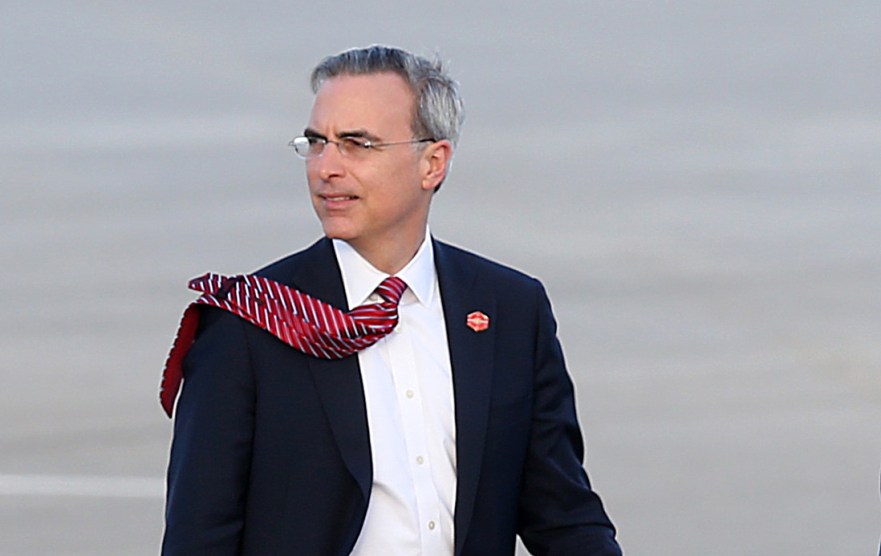
Image result for Pat A. Cipollone
Pat Cipollone
"Legal Genius" (trademark pending)
Trump is the 'most valuable witness': Lawmakers point to president as new hearings loom
Lawmakers from both parties on Dec. 1 discussed where impeachment hearings against President Trump stood and what more there was to learn.
As the impeachment inquiry moves into a critical week, President Trump and his Republican allies are debating the degree to which the president should participate in a process they have spent more than two months attacking.
On Sunday evening, White House counsel Pat A. Cipollone told the House Judiciary Committee in a five-page letter that Trump would not participate in its first impeachment hearing, scheduled for Wednesday. The invitation from Chairman Jerrold Nadler “does not begin to provide the President with any semblance of a fair process,” Cipollone wrote.
Four constitutional scholars — three chosen by Democrats, one by Republicans — are expected to testify on the standards for impeachment. Nadler (D-N.Y.) told Trump he had until 6 p.m. Sunday to notify the committee that he or his attorneys would attend; he has given Trump until Friday to decide whether to participate more broadly in the impeachment process.
In his letter Sunday, Cipollone did not rule out participating in future hearings but asked Nadler to detail his plans for the upcoming proceedings, including whether he would allow further testimony and cross-examination of fact witnesses, among them those who already testified before the House Intelligence Committee. He also said Republicans should be able to call additional witnesses.
“Even at this late date, it is not yet clear whether you will afford the President at least these basic, fundamental rights or continue to deny them,” Cipollone wrote.
Nadler spokesman Daniel Schwarz declined to comment on Cipollone’s letter.
The Trump administration’s response suggests it will continue taking a defiant approach to the impeachment proceedings, betting that Republicans will stick together behind a noncooperation strategy meant to cast the inquiry as a partisan witch hunt. The move comes as Democrats on the House Intelligence Committee prepare to meet Tuesday to approve the release of their report detailing the panel’s findings on Trump’s dealings with Ukraine.
Where do the impeachment arguments stand?
The Fix’s Amber Phillips analyzes where the Democratic and Republican arguments on impeachment stand following the second week of public impeachment hearings. (Video: JM Rieger/Photo: Matt McClain/The Washington Post)
On Sunday, Democrats called on the White House to cooperate, suggesting an innocent person would have no problem testifying.
“We’re certainly hoping that the president, his counsel, will take advantage of that opportunity if he has not done anything wrong,” Rep. Val Demings (D-Fla.) said on ABC News’s “This Week.” “We’re certainly anxious to hear his explanation of that.”
But there is a conflict inside the GOP over the extent to which Trump and his congressional defenders ought to engage, even as Republicans signaled they will continue their aggressive campaign to delegitimize the process as corrupt and unfair.
Speaking on “Fox News Sunday,” Rep. Douglas A. Collins (Ga.), the top Republican on the Judiciary Committee, said he understood why the White House might want to skip the Wednesday hearing, calling it “just another rerun” covering ground already surveyed in previous Judiciary Committee hearings.
“This is a complete American waste of time right here,” he said.
But he added that Republicans would be more keen to participate in future hearings — particularly one examining the findings of the House Intelligence Committee as prepared by its chairman, Rep. Adam B. Schiff (D-Calif.).
Other Republican lawmakers said Trump could benefit from availing himself of the due-process protections that Nadler has offered, including the right to present evidence, suggest wit­nesses and cross-examine those called by Democrats to testify.
Rep. Tom McClintock (R-Calif.), a Judiciary Committee member, said on “This Week” that he thought it “would be to the president’s advantage” to have counsel participate in the upcoming hearings. “But I can also understand how he is upset at the illegitimate process that we saw unfold in the Intelligence Committee,” he said.
The president did not address the issue himself Sunday. He sent two tweets about World AIDS Day in the early afternoon and spent a second day in a row at his golf course in West Palm Beach, Fla., after returning early Friday from a Thanksgiving visit to U.S. troops in Afghanistan.
In the past, however, Trump has suggested that he would like to participate. Last month, he said he would “love” for several senior administration officials to testify in the impeachment inquiry, but he contended the White House was preventing them from doing so to protect the institution of the presidency.
“The D.C. Wolves and Fake News Media are reading far too much into people being forced by Courts to testify before Congress,” Trump said in a tweet on Nov. 26. “I am fighting for future Presidents and the Office of the President. Other than that, I would actually like people to testify.”
On Sunday, Republicans also renewed an array of attacks on the impeachment process, a likely preview of what’s to come this week.
Collins attacked the timeline that Democratic leaders are pursuing, one that appears aimed at concluding an impeachment vote in the House before Christmas rather, he argued, than providing appropriate due process for the president.
“They want to get this president right now before everybody completely sees through the process sham,” Collins said. “So we’re rushing this.”
He also called Sunday for Schiff personally to testify, indicating that the Intelligence Committee chairman would face intense questioning from Republicans on the role his panel played in shepherding the whistleblower complaint that exposed Trump’s irregular dealings with Ukraine, among other matters.
The Republican congressman noted that Schiff has compared the panel’s fact-finding process to that of the independent prosecutors who examined matters that led to impeachment proceedings against Presidents Richard Nixon and Bill Clinton. In those cases, Collins noted, those prosecutors subjected themselves to congressional questioning.
“He’s put himself into that position,” Collins said. “It’s easy to hide behind a report. It’s easy to hide behind a gavel and the Intelligence Committee’s behind-closed-door hearings. But it’s going to be another thing to actually get up and have to answer questions.”
Another Republican, Rep. Andy Biggs (Ariz.), predicted the impeachment inquiry will take a turn for the combative this week, when it moves to the Judiciary Committee.
“It’s a bunch of brawlers sometimes on the Judiciary Committee, so it should get pretty hot and under the collar as we go along,” Biggs, who sits on the panel, said in an interview with Fox News Channel’s Mike Emanuel on “Sunday Morning Futures.” “I don’t think things have been done the way they’ve been done in the past, Mike, and so it causes some rancor and it should be pretty — much more feisty, I would say, than the Intel Committee was.”
Democrats on the Judiciary Committee, meanwhile, said Sunday that Republicans were trying to distract from Trump’s wrongdoing by raising objections to the impeachment process without challenging the facts that have been gathered.
Demings said Democrats were “not going to play any games” with Republicans and called on Trump to end his stonewall of the Democrats’ witness and document demands.
“They want to . . . play a political game and tie the process up in the courts as long as they can and run the clock out,” she said. “We’re not willing to play that game.”
Sen. John Neely Kennedy (R-La.), meanwhile, argued that both Russia and Ukraine interfered in the 2016 presidential election, despite the intelligence community’s assessment that only Russia did so.
The comments mark Kennedy’s latest attempt to shift the focus away from the U.S. intelligence community’s conclusion that Russia worked to help elect Trump, after a Fox News Channel interview last week from which he later backtracked.
“I think both Russia and Ukraine meddled in the 2016 election,” Kennedy told host Chuck Todd on NBC News’s “Meet the Press” on Sunday.
Todd pressed Kennedy on whether he was concerned that he had been “duped” by Russian propaganda, noting reports that U.S. intelligence officials recently briefed senators that “this is a Russian intelligence propaganda campaign in order to get people like you to say these things about Ukraine.”
Kennedy responded that he had received no such warning.
“I wasn’t briefed. Dr. Hill is entitled to her opinion,” Kennedy said, referring to former National Security Council Russia adviser Fiona Hill, who testified in the impeachment inquiry last month.
In her public testimony, Hill warned that several Trump allies had spread unfounded allegations that Ukraine, rather than Russia, had interfered in the 2016 U.S. presidential election.

Pat Cipollone: 5 Fast Facts You Need to Know


Pat Cipollone
Stein Mitchell Cipollone Beato & Missner LLP
Pat Cipollone is the top White House counsel. President Trump chose Cipollone to replace his former attorney Don McGahn in October 2018.

Cipollone’s background includes serving in the Justice Department while President George H.W. Bush was in office. While in the private sector, he handled cases involving government contracts and congressional investigations.

On October 8, 2019, Cipollone sent a letter to House Democrats, including Speaker Nancy Pelosi, explaining that the White House would not cooperate with the impeachment inquiry. This means that the White House will not comply with document requests or agree to testify before lawmakers.

Cipollone accused the Democrats of orchestrating an effort to “overturn the results of the 2016 election and deprive the American people of the President they have freely chosen. Many Democrats now apparently view impeachment not only as a means to undo the democratic results of the last election, but as a strategy to influence the next election, which is barely more than a year away.”

He added that the impeachment inquiry “violates fundamental fairness and constitutionally mandated due process.” You can read the full letter here.

Here’s what you need to know about Pat Cipollone.

1. Pat Cipollone Is Said to Have Earned President Trump’s Trust & Respect
Pat Cipollone
Getty
(L-R) Acting White House Chief of Staff Mick Mulvaney, White House Counsel Pat Cipollone, and Principal Deputy Press Secretary Hogan Gidley at the White House on May 7, 2019

Pat Cipollone reportedly served as an informal adviser to the White House legal team for several months before he was brought on in an official capacity, a source confirmed to Business Insider.

After joining the administration, Cipollone was said to have quickly earned President Trump’s trust and respect. Kellyanne Conway told Politico in June of 2019, “He has the president’s ear, he’s earned the president’s respect and that allows people in this building not just to survive but to succeed in doing their jobs.”

Current and former senior administration officials told the Atlantic that Cipollone is “clear in his admiration” for the president and doesn’t try to hide that. He is also reportedly known for being very discreet and straightforward. Alex Azar, the Secretary of Health and Human Services, praised Cipollone to the magazine. “Pat would tell me if I was doing something I shouldn’t be doing or going in the wrong direction. He wouldn’t hesitate to tell me that, and I know he wouldn’t hesitate to tell the president that either.”

Cipollone is firmly on the president’s side when it comes to the call with the leader of Ukraine, which was part of what sparked the formal impeachment inquiry. In the letter Cipollone sent to Democratic leaders on October 8, 2019, he strongly defended the call and praised the president’s decision to release the official record of the call. “For his part, President Trump took the unprecedented step of providing the public transparency by declassifying and releasing the record of his call with President Zelenskyy of Ukraine. The record clearly established that the call was completely appropriate and that there is no basis for your inquiry.”


2. Cipollone Was a Litigation Partner at a Firm Based in Washington, D.C.
Pat Cipollone
Getty
(L) Lawyer Pat Cipollone, White House Press Secretary Sarah H. Sanders and White House Social Media Director Dan Scavino in the Rose Garden of the White House on May 7, 2019

Pat Cipollone was a partner at the law firm Stein Mitchell Cipollone Beato & Missner LLP in Washington, D.C. His areas of focus were listed as commercial litigation, anti-trust & trade regulation, and healthcare fraud.

According to the firm bio, Cipollone had experience handling cases involving government contract matters, tax disputes, consumer fraud, crisis management, congressional investigations and insurance litigation, just to name a few. Before joining this firm, Cipollone worked at Kirkland & Ellis LLP.

One previous high-profile case Cipollone worked on included a class-action lawsuit against Equifax. He was on the 11-person legal team that defended customers who had their personal data, including social security numbers, exposed in a major data breach. The cyberattack reportedly impacted as many as 145 million customers.

He is licensed to practice law in Washington D.C. and Illinois. Cipollone earned a bachelor’s degree at Fordham University in 1988. He attended law school at the University of Chicago and served as the managing editor of the University of Chicago Law Review, graduating in 1991.

3. Pat Cipollone Previously Served in the Justice Department
Pat Cipollone had prior experience working in government before going to work in the White House. He was an attorney in the Justice Department during the administration of President George H.W. Bush. He served under Attorney General William P. Barr focused on communications and special projects.


Cipollone’s bio on his previous law firm’s website stated that Cipollone “has substantial expertise in defamation counseling and litigation on behalf of corporations, organizations and public figures, including prepublication negotiations and/or litigation with major media organizations.”

Simply put, he has a lot of experience dealing with negative media attention and representing well-known people. Though Cipollone’s government experience is limited, his background was likely viewed as a crucial asset, especially after Democrats took back control of the House in the 2018 midterm elections and increased investigations.

4. Cipollone is Active With Two Catholic Organizations
Pat Cipollone is a practicing Catholic. He is a co-founder of the National Catholic Prayer Breakfast. The annual event first launched in 2004 in Washington, D.C. and typically attracts more than 1,000 participants.

According to the event website, the Prayer Breakfast’s founders were inspired by “Saint John Paul II’s call for a New Evangelization.” Former Senator Rick Santorum is another founder.

Cipollone is on the board of directors of the Catholic Information Center. The group’s mission statement explains that the group is “committed to making the Catholic Church alive in the hearts and minds of men and women living and working in our nation’s capital. Through a variety of spiritual, intellectual, and professional programs, the CIC offers the tools to live an integrated life and to engage in all areas of human endeavors.” The organization holds daily weekday masses and confessions, as well as puts on speaking events. The Catholic Information Center is located about half a mile from the White House.

5. Cipollone Was Connected to Trump Ally Laura Ingraham & Was Described as a ‘Big Trump Supporter’ Before He Was Hired as White House Counsel

Laura Ingraham
✔
@IngrahamAngle
The Trump Administration and the country will be very well-served with this appointment of Pat Cipollone as WH Counsel.  Whip smart, dedicated, tough but fair-minded, respected by both sides of the aisle.  (And a great friend to many—incl me. ) https://twitter.com/FoxNewsResearch/status/1051488045847928832 …

Fox News Research
✔
@FoxNewsResearch
Pat Cipollone:
•Litigation partner at D.C. law firm
•Experience w/ investigations & disputes involving state/federal agencies
•Served at DOJ under then-AG William P. Barr (Bush 41 nominee)
•Has reportedly been advising Trump's outside legal teamhttps://www.foxnews.com/politics/trump-has-chosen-pat-cipollone-as-new-white-house-counsel-sources-say.amp …

Pat Cipollone has a connection to Fox News host Laura Ingraham, who has been described as an “ally” of President Trump. According to the Washington Post, she views Cipollone as her “spiritual mentor.”

Ingraham praised the attorney on Twitter, writing “The Trump Administration and the country will be very well-served with this appointment of Pat Cipollone as WH Counsel. Whip smart, dedicated, tough but fair-minded, respected by both sides of the aisle. (And a great friend to many—incl me.)”

Axios, which first reported that Cipollone had begun filling out paperwork to become White House Counsel, cited an unnamed source that described Cipollone as being “loyal” to President Trump. The site quoted this source describing Cipollone as a “true believer” and a “big Trump supporter.”


Voting is beautiful, be beautiful ~ vote.©